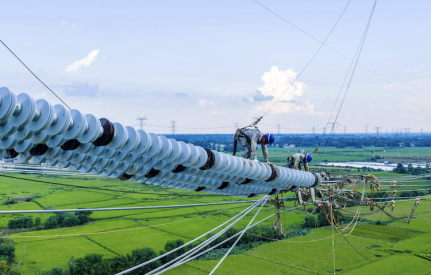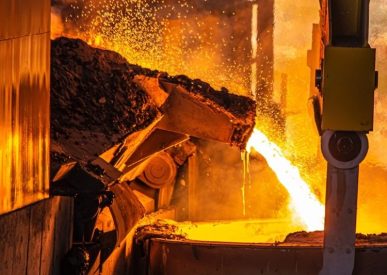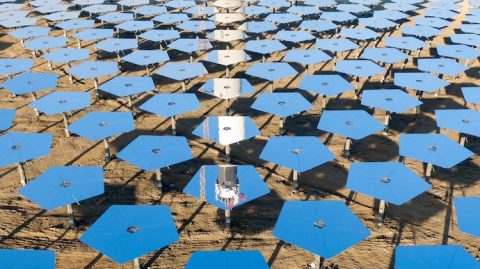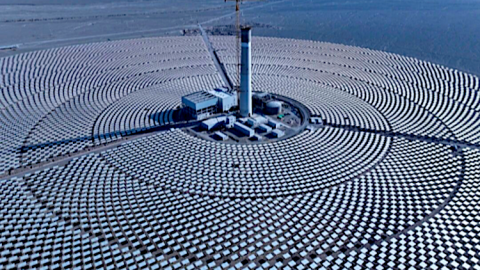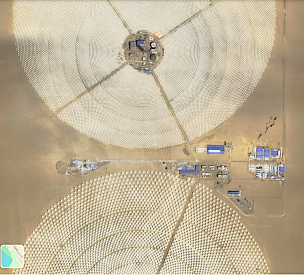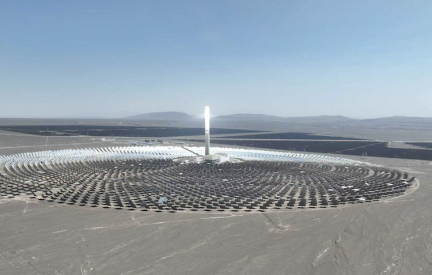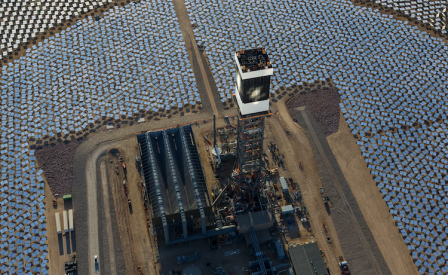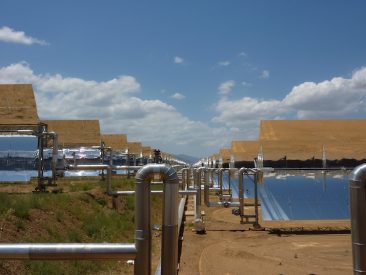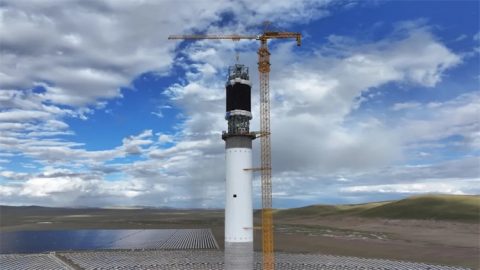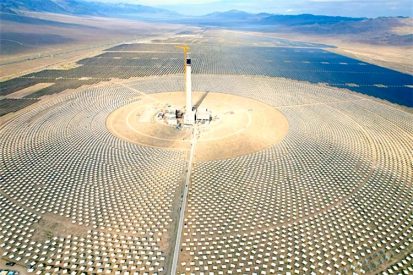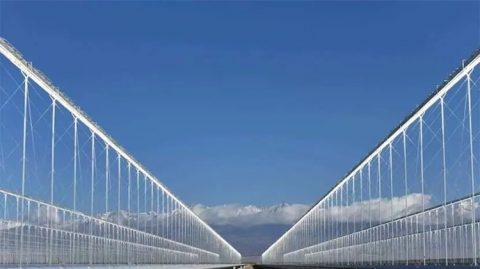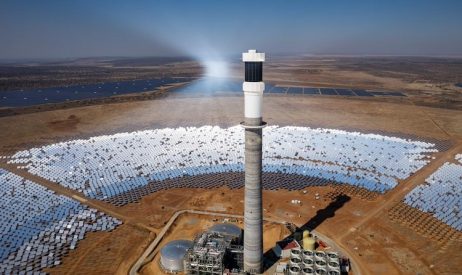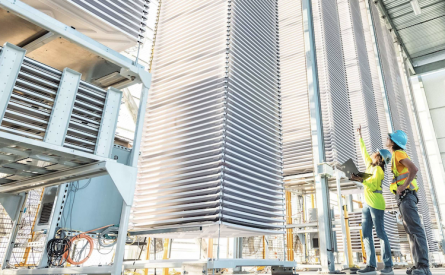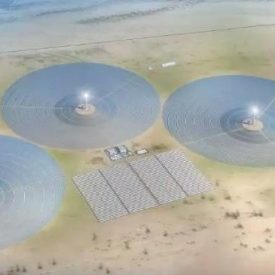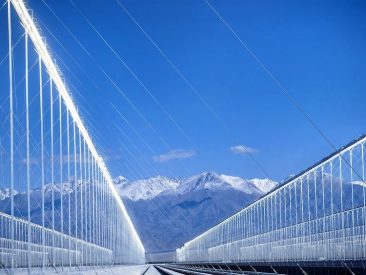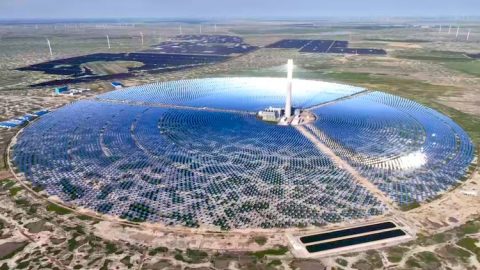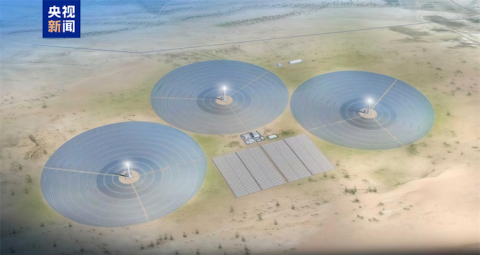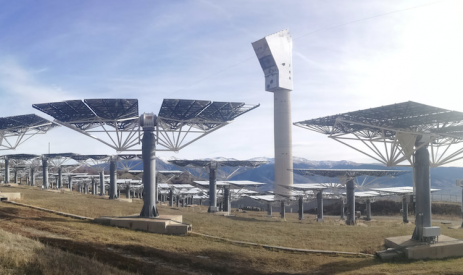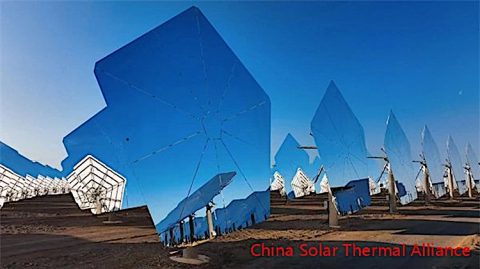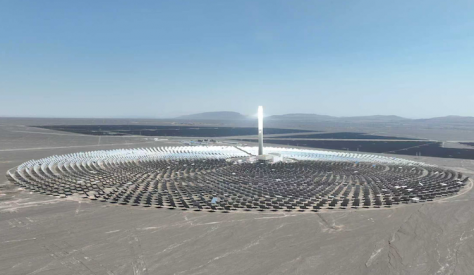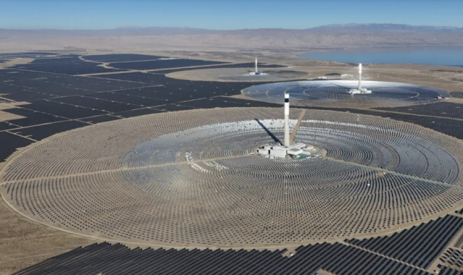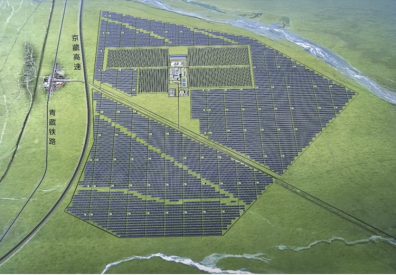

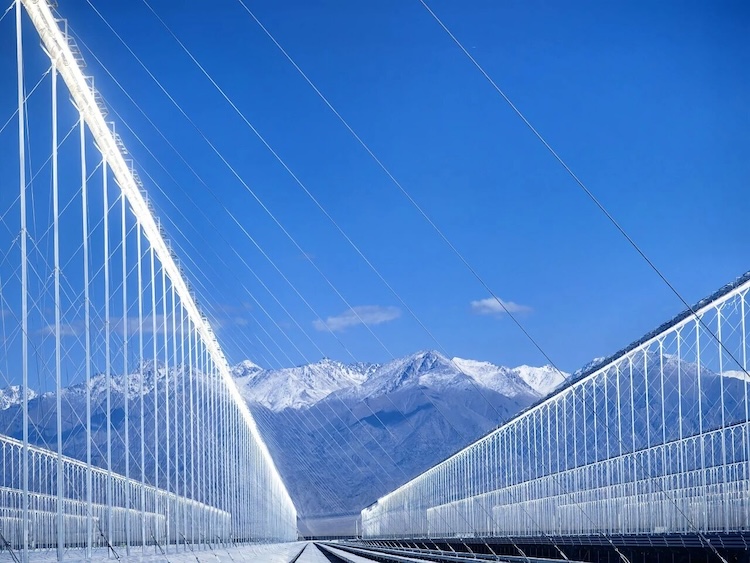
The 100 MW Fresnel in Gansu by China General Nuclear is the only other Fresnel CSP at this scale worldwide
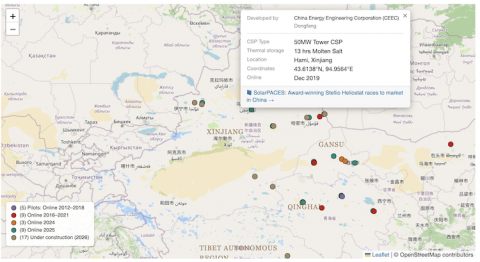
[Ed: This plant incorporates multiple innovations, not only that outside China, Fresnel projects have never been built at this scale, and that even within China, this is only the second ever built at 100MW following China General Nuclear’s 100MW Fresnel in Gansu province, online in 2024.]
Source:CSTA
On July 7, the nation’s largest “Linear Fresnel” concentrated solar power (CSP) integrated energy demonstration project — CTGR Hami 1 million kW “CSP + PV” project — successfully entered the commercial trial operation phase.
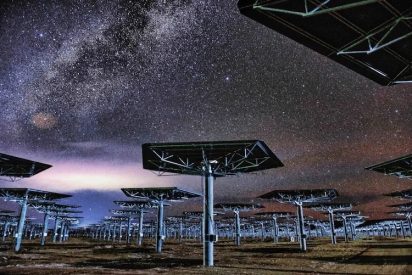
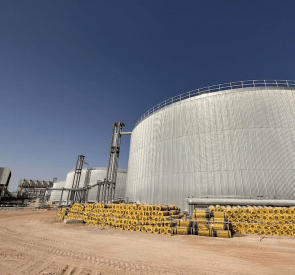
Located in the Gobi region of Hami, Xinjiang, the project consists of a 100,000 kW molten salt CSP energy storage power station and a 900,000 kW photovoltaic power station. The CSP component features 260,000 high-precision tracking heliostats with a total solar collection area of 800,000 square meters, complemented by an 8-hour high-temperature molten salt thermal storage system capable of stable thermal storage and power generation.
“CSP energy storage, with its unique advantages of ‘large capacity and zero emissions,’ enables 8 hours of stable energy storage and power generation. Linear Fresnel technology represents an important innovation in the CSP energy storage field that balances both ‘economic viability and practical applicability.’ The grid connection of this project marks a critical breakthrough in transitioning this technology from the laboratory to large-scale application,” said Niu Jianle, project manager of CTGR Energy Hami 1 million kW “CSP + PV” project under CTGR Group.
During daytime, the photovoltaic system generates power at full capacity while the CSP system simultaneously concentrates and stores thermal energy. At night or during overcast conditions when PV output declines, the molten salt releases stored heat to sustain power generation, effectively smoothing out fluctuations in new energy output and mitigating the intermittency and variability challenges inherent in wind and solar power.
However, the transition to commercial trial operation was fraught with challenges: the system architecture is highly complex, involving deep integration of multiple systems including intelligent heliostat field tracking, molten salt heat exchange, and grid interconnection control; domestic reference cases are limited, with no mature experience to draw upon for full-process grid performance testing, multi-condition stable output commissioning, or long-term safe operation verification of the molten salt system — making the full-process commissioning task exceptionally demanding.
Moving forward, the on-site production preparation team will conduct a comprehensive review of the full-process technical and operational experience from CSP unit grid connection, trial operation, and transition to commercial operation, developing standardized operating manuals to provide complete technical support for subsequent CSP integrated energy projects in the industry.