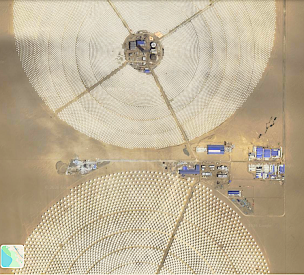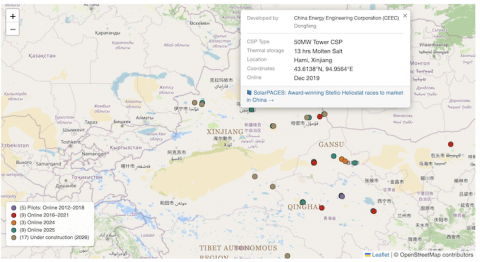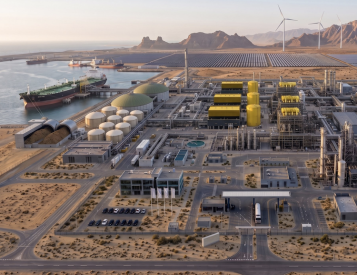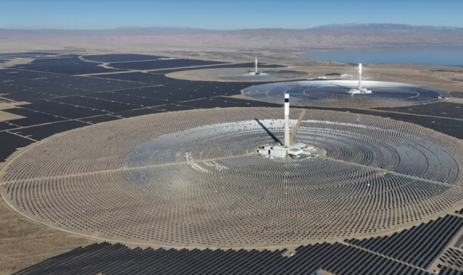

[Ed: There now appears to be two separate 100 MW solar towers, each with 8 hrs of storage, independently developed by two separate developers and with different technology providers, at this one new energy site. So instead of two 1 GW sites (with 900MW PV), this is actually one 2GW site with 1.8GW PV, with two separate tower CSP plants. The mention of nuclear suggests that this is the second one – developed by the subsidiary of CNNC the China National Nuclear Corporation. With this second of these two now online, it is now clear that these two were not a duplicate entry. (With so many developers, investments, technology providers, it can be easy to become confused that an entry may be a duplicate when sometimes only some of these many providers are cited, and translations vary.) But with this news from CSTA it is now clear that this is two separate 100 MW tower projects at the same 2 GW site (along with 1.8 GW PV) I have corrected the map and list accordingly]
Source: CSTA
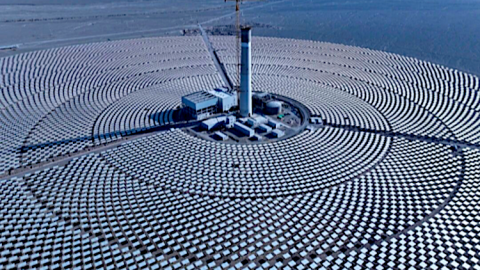
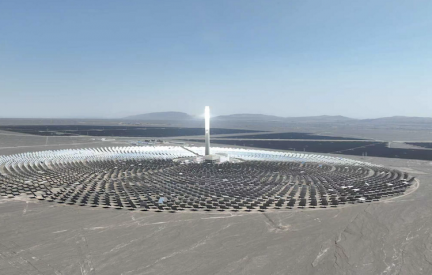
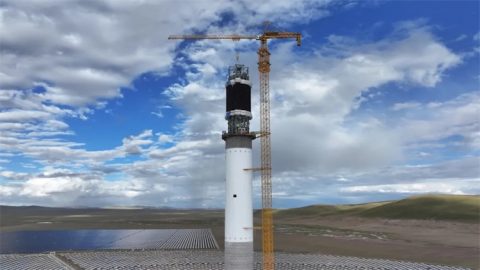
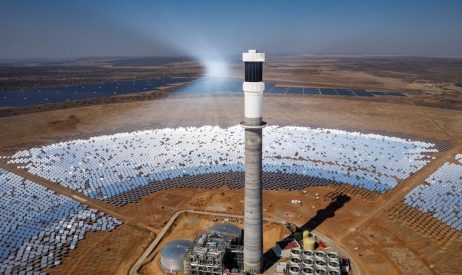
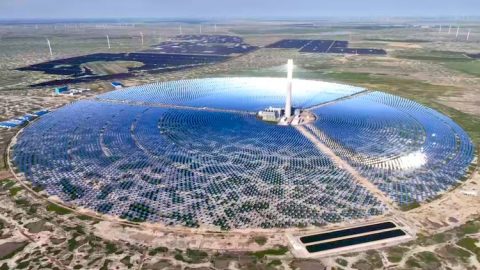
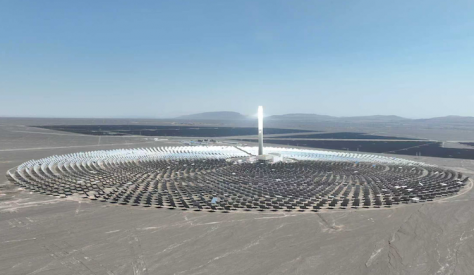
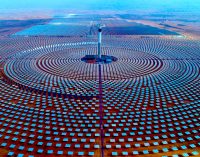
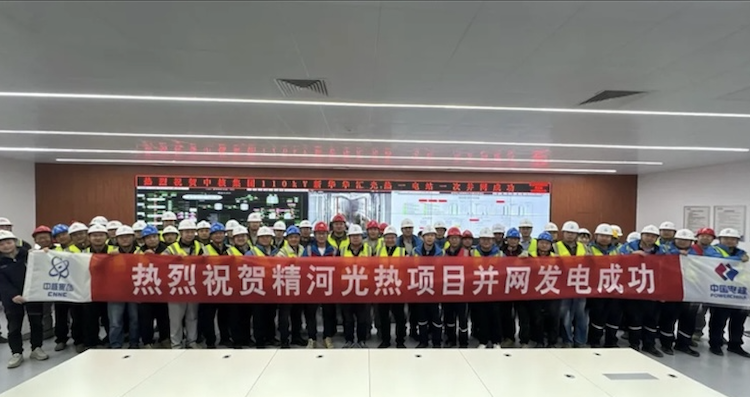
On November 22, the 100 MW molten-salt tower solar thermal project in Jinghe, Xinjiang, was successfully connected to the grid and began generating electricity. On the Gobi Desert, the twin towers of the integrated Bole–Jinghe base now stand tall, tracking the sun together and storing energy in succession, injecting strong momentum into Xinjiang’s energy structure transition.
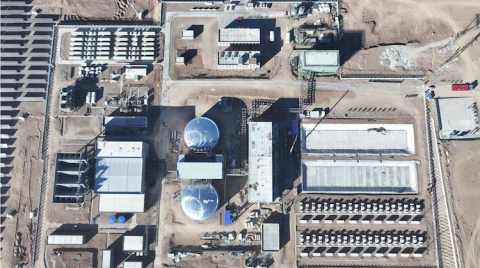
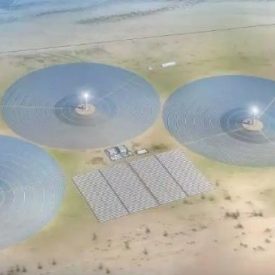
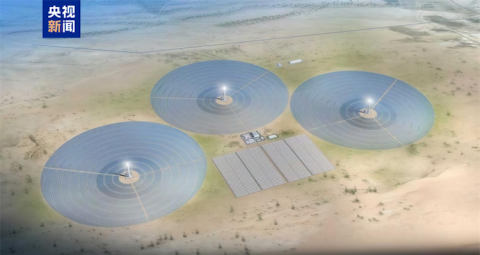
The integrated Bole–Jinghe “solar thermal energy storage + new energy” base consists of 200 MW of solar thermal power and 1.8 GW of PV, with a total installed capacity of 2 GW. The 1.8 GW PV capacity achieved full-grid connection in 2025, while the Bole 100 MW molten-salt tower CSP project was connected to the grid in July this year. With the Jinghe 100 MW solar thermal project now successfully delivering power, the final key piece of the mega-base has fallen into place, marking its formal entry into the full-capacity operation stage.
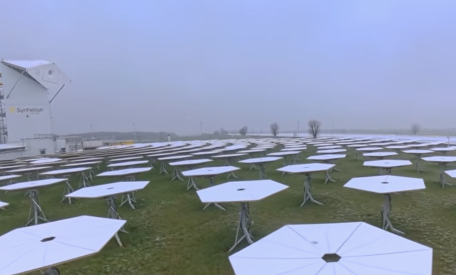
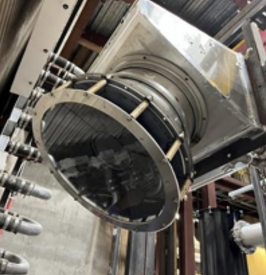
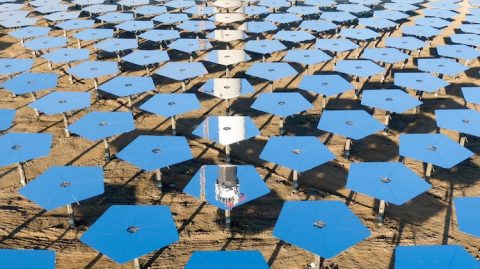
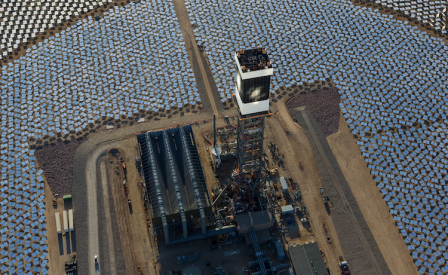
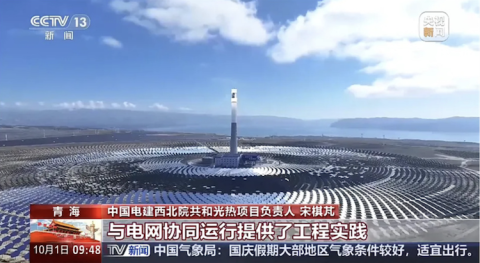
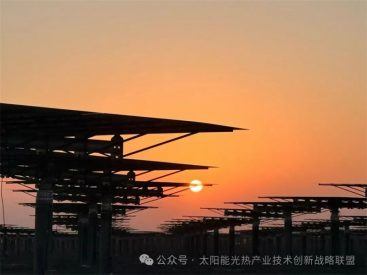
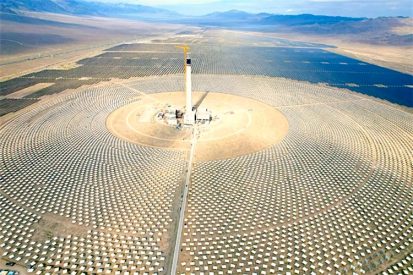
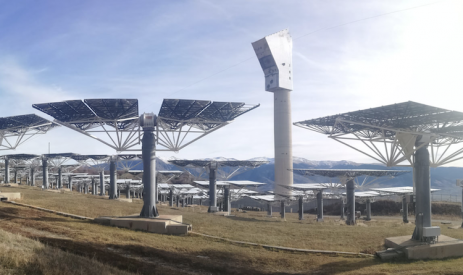
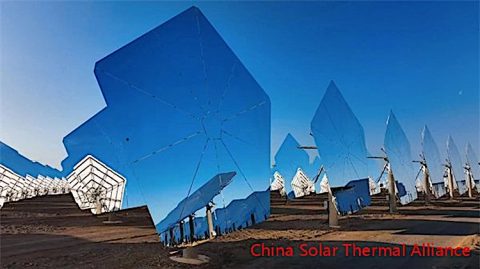
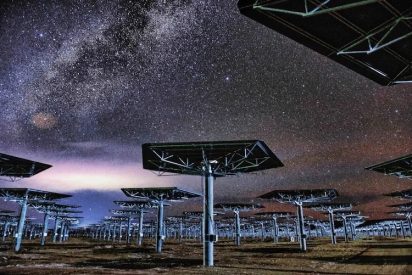
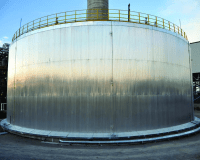
Relying on desert, Gobi and other arid land resources to develop a large-scale new energy base, the project is a vivid practice by CNNC in implementing the Party’s governance strategy for Xinjiang in the new era and promoting high-quality clean-energy development in border regions. Tens of thousands of high-precision heliostats are neatly arranged, tracking the sun and concentrating dispersed solar energy onto the tower-top receiver, where it is converted into stable thermal energy. Coupled with an eight-hour long-duration molten-salt thermal storage system, the project enables dispatchable day-and-night output and stable power generation, effectively overcoming the intermittency and variability of PV—namely, “generating by day and stopping at night; strong in sunshine and weak under cloud”—and ensuring clean electricity is delivered smoothly and continuously. It provides a replicable and scalable “CNNC solution” for new-energy development in similar desert and Gobi regions.
Adhering to the management approach of “plan ahead, control the process, and prioritize quality and effectiveness,” the project team provided comprehensive support in technical underpinning, resource coordination and issue resolution, building an all-around joint effort for breakthroughs linking top and bottom and coordinating internal and external resources. This “energy oasis” rising along the Silk Road coordinates clean-energy development with coordinated control of desertification, lighting up countless homes with stable green power.
From tracking the sun and concentrating heat to empowering through energy storage, the company keeps pace with the national “15th Five-Year Plan” energy layout, supporting Xinjiang’s low-carbon energy transition with major new-energy projects, and writing a new chapter in the new era in which nuclear industry professionals serve the national energy strategy and consolidate the energy security barrier in China’s northwestern frontier.