
An MIT spin-off, Electrified Thermal Solutions deploys electricicity-heated hot bricks to deliver heated gases at industry-standard flame temperatures up to 2000°C
Patents for thermal energy storage have soared over the last eight years, according to the patent filing source patsnap.
We’ve covered stand-alone thermal energy storage using solid materials like sand, bricks, concrete, slag and ceramic waste, and delivered as hot air or steam. Cost-effective thermal energy storage, now independant from CSP plants, is coming into its own with its ability to directly decarbonize industrial heat.
Rondo, created by some of the same brains behind Glasspoint’s solar steam, heats up fire bricks electrically with wires running through them like a toaster.
Now another US firm, born at the Massachusetts Institute for Technology (MIT) and with early Arpa-e recognition, has an even simpler thermal brick design.
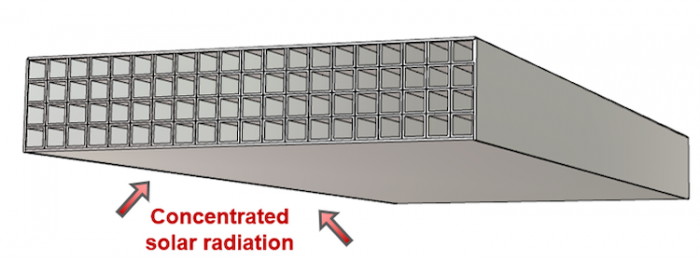
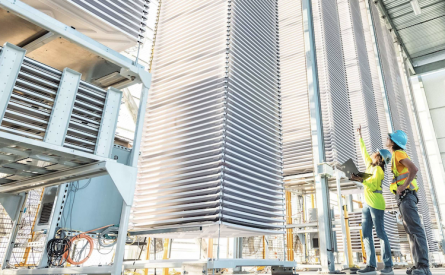
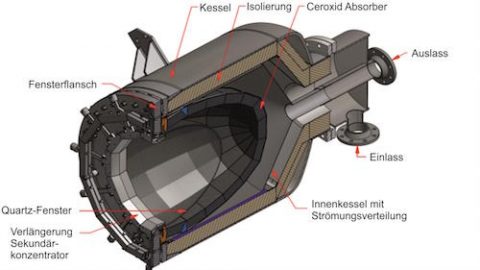
“There’s no wires. The whole mass of the box is just bricks that are stable in air and a variety of gaseous atmospheres. There’s only the wiring on the very top right where you bring the power in,” explained Electrified Thermal Solutions CEO Dan Stack, a former MIT nuclear engineer who began the firm five years ago with the idea of mopping up surplus solar or wind (or even midnight nuclear) and converting it into the high temperature heat that heavy industries like cement and steel need.
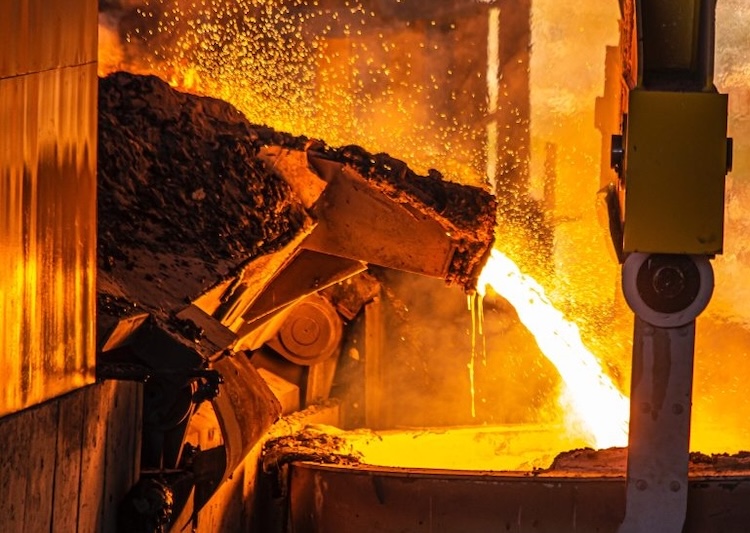
Extremely high temperatures attract heavy industries; iron, steel, cement
His firm now has investment interest from some of the world’s top firms in these fields, Holcim (cement), and Vale (iron ore) and ArcelorMittal (steel), with binding purchase orders already signed with industrial counterparties.
“These industries are used to flame temperature gases – anywhere from 1,500 to 2,000 °C,” he said.
“We can deliver that hot air or hot gas at those temperatures, up to 1,800 °C, and that means we’re able to plug in, whether you’re making potato chips or steel. We basically take electricity in, whenever it’s cheapest, most abundant, most available and we use it to heat up our box of bricks, which is what our thermal battery is. When the energy is desired we use that box of bricks to make hot air, and we can deliver that hot air, hot as flames, to any industrial furnace, boiler, or kiln. We can deliver heat continuously for several hours to several days without any power input. And we can hold the heat for many days. The heat leakage rate is generally less than 2% a day.”
A no-risk plug and play design
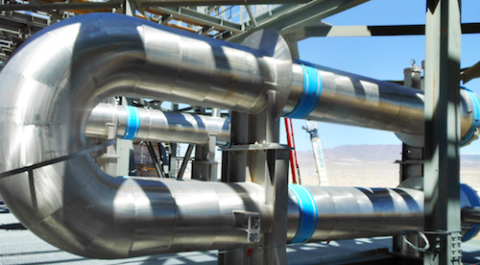
Installed onsite at an industrial plant, the heated air would be piped in to the existing industrial boiler right next to the existing gas burner, delivering heated air at comparable temperatures, and enables an on/off ‘switch’ for the existing gas input for a sense of security.
This fallback design would reduce any potential resistance to the risk of technology change, despite its promise of temperatures delivered for decades that previously could only be delivered by burning fossil fuels.
They sell their units in 20-foot containers, each holding up to 10 megawatthours. They can plug straight into the existing standard distribution voltage on industrial sites, which is 13.8 kilovolts in much of the US. But they can operate at up to a 100 kilovolt level, which is ideal.
“If you are lower voltage, that means you need way more amperage. That means way more copper, way more conduit, way more step-down transformers, way more expensive balance of plant.”
Banking on curtailed renewables
The idea is to use the cheapest electricity locally, so they include an optimizing system based on AI-powered algorithms and forecasting to predict the lowest prices at any one time so that they charge the system with that cheapest non-fossil power over the next hours and days. He said that this curtailed power is on the market cheaper than local natural gas prices, even on the less solar-rich eastern US grid, up to half the time.
“We can beat the price of natural gas while cutting the emissions of the industrial sector,” he added.
“Vast areas of the U.S. and Europe, and growing across the world, you can find times of low priced or even negative priced electricity from solar, from wind, from off-peak nuclear or hydro that are actually on the market cheaper than the price of natural gas.”
With curtailed intermittent renewables, there’s an opportunity in all geographies, to save money using electric heat at least part of each day, and storing it thermally for later.
Decades-long storage capability?
Stack said that they can run the e-brick system at flame temperatures for decades because the bricks are already oxides, so they won’t oxidize and burn out like traditional heaters. DNV recently certified the technology for over 20 years shelf life.
The only thing that might impede decades-long runtime might be if, decades from now, there is not as much wasted solar and wind. The idea banks on intermittent renewables continuing to be a sort of waste product at certain times that will always be available; Too much solar at midday, too much wind at less predictable times, or unused nuclear in the middle of the night.
There’s an abundance of wasted electricity today, as most nations are making the major energy transition from molecules to electrons. And the US market is probably a pretty good bet, as building enough transmission from its most wind and solar-rich regions is probably always going to have impediments, resulting in continuing high curtailment rates that will keep renewable prices low when surplus to grid need. But as more firms also take advantage of the riches of today’s curtailed renewables, might the current abundance of spilled solar be eventually all sopped up?
The business case for storing energy thermally in former coal plants
NREL Awarded $2.8 Million to Develop a Long-Duration Thermal Energy Storage Technology
ARPA-E-winning thermal energy storage in sand wins commercial interest