
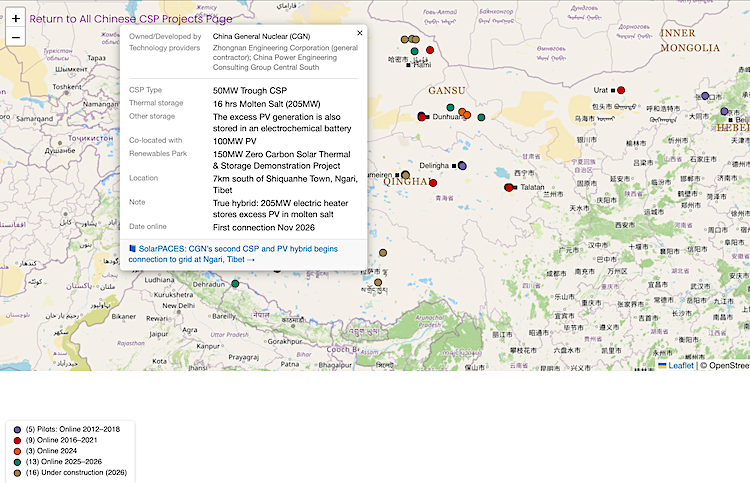
[Ed: Note. This project is one of two high altitude hybrids in Tibet developed by China General Nuclear]
72 Hours of Continuous Full-Load Operation! The Ali Zero-Carbon Solar Thermal Power Plant General Contracted by Zhongnan Engineering Corporation Limited Passes a Key Assessment
Updated:2026-11-10 | Source: CSTA
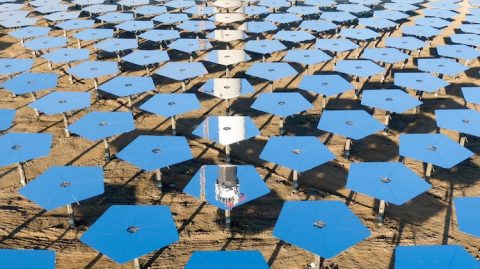
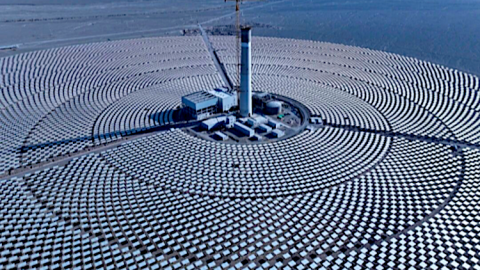
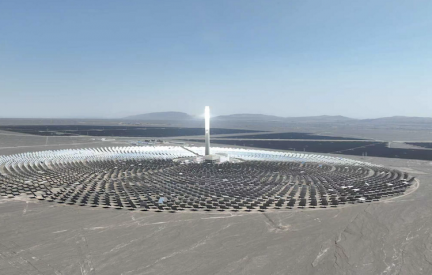
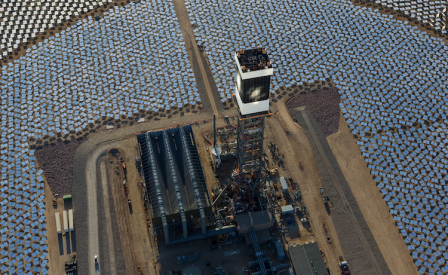
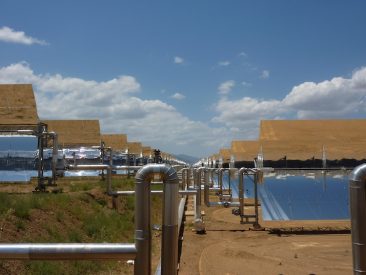
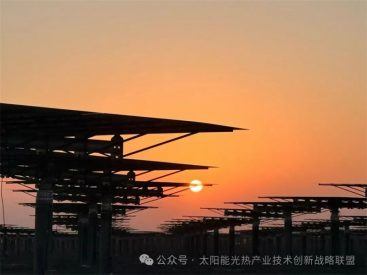
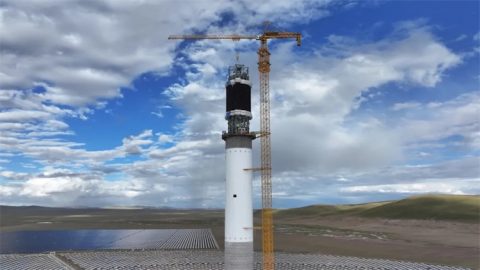
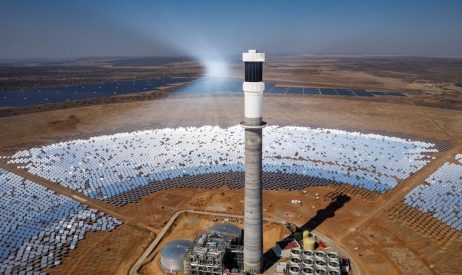
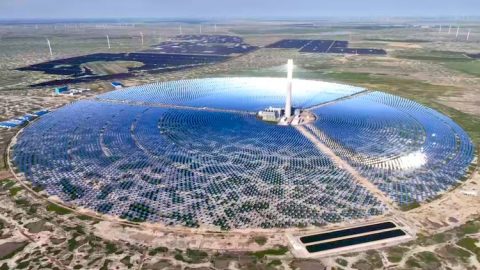
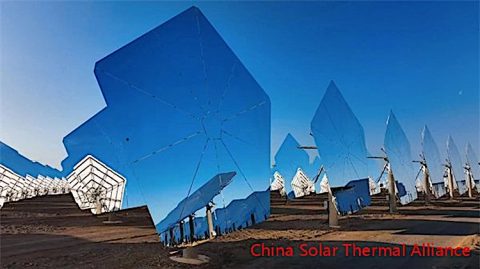
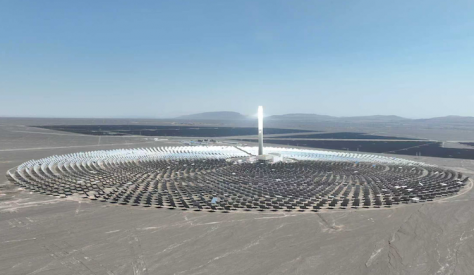
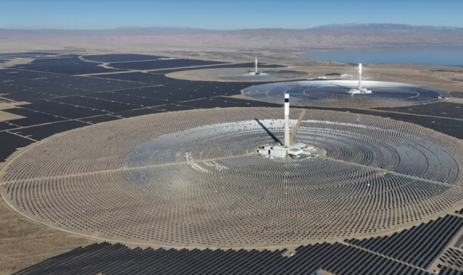
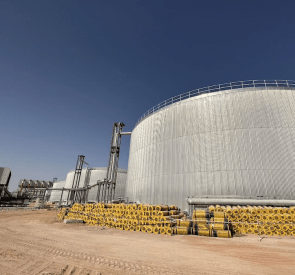
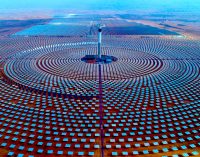
On November 10, 2026, Unit 1 of the 50 MW solar thermal power station of the Tibet Ali “Zero-Carbon” PV-Storage-Thermal Power Demonstration Project—general contracted by Zhongnan Engineering Corporation Limited—successfully completed a 72-hour uninterrupted continuous and stable operation assessment. The unit operated smoothly overall, with all core technical parameters performing well. This comprehensively verified the quality of equipment condition, piping installation, and system commissioning, marking the project’s formal entry into the performance acceptance stage.
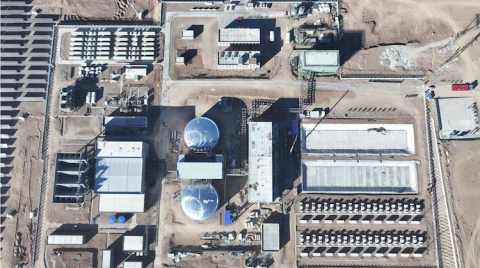
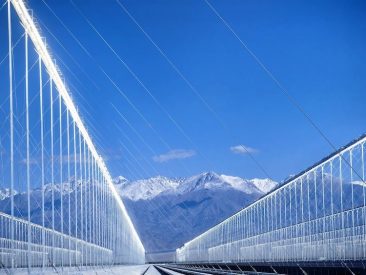
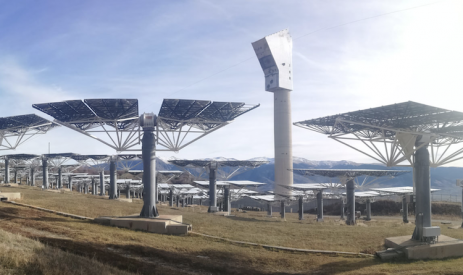
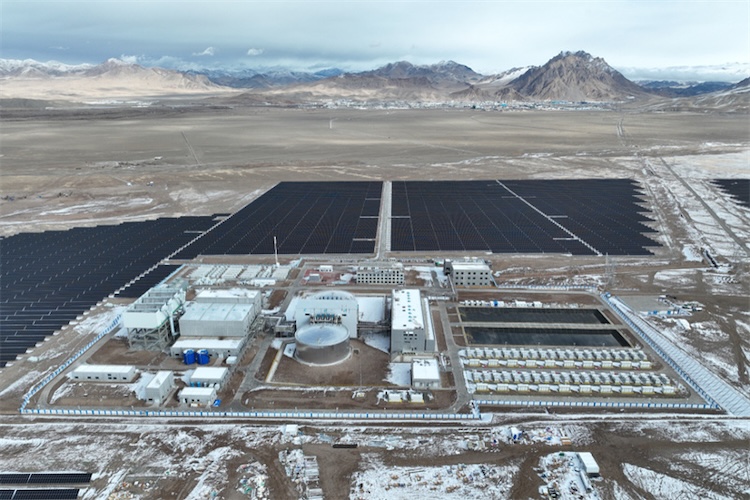
The project is located in Shiquanhe Town, Gar County, Ngari Prefecture, Tibet, on the snowy plateau, in an extreme plateau environment characterized by high altitude, strong sand and wind, and severe cold. It is a benchmark plateau demonstration project.
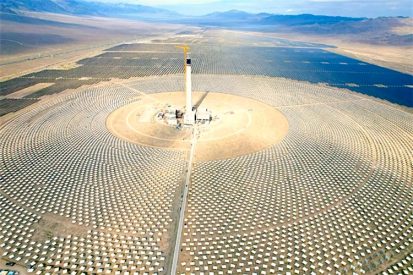
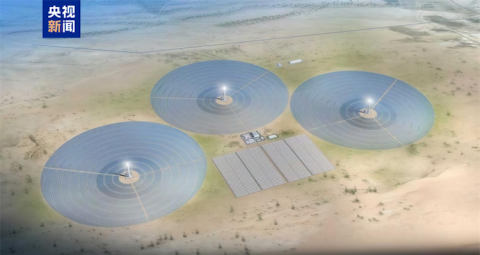
The project includes a 50 MW solar-thermal power station and a 1.5 million m² heating system, integrating clean power generation, energy-storage peak regulation, and centralized heating.
Compared with conventional plain-area energy projects, the harsh plateau natural environment poses major challenges to equipment and piping installation, electrical system stability, and joint commissioning. The thin air, large day-night temperature swings, intense ultraviolet radiation, and prolonged winter low temperatures have caused difficulties such as difficult personnel organization, high material transportation requirements, short construction windows, limited effective working hours, and significantly reduced labor efficiency. They have also led to special problems such as reduced process stability of metal piping and failures of electrical and thermal-control equipment. As a result, the difficulty of high-precision installation, high-standard quality control, and refined commissioning far exceeds that of conventional projects, placing higher demands on engineering technology, construction techniques, and the quality-control system.
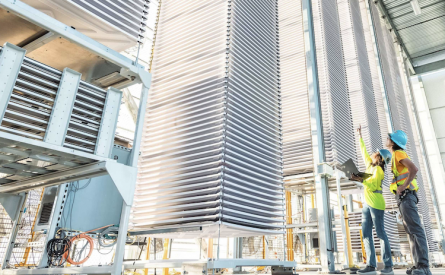
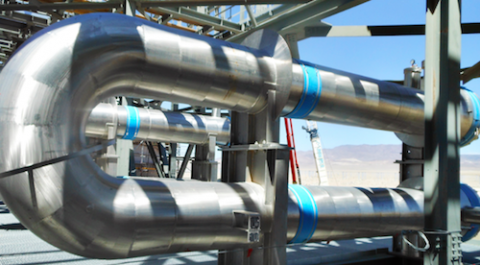
Since construction began, all participating units have overcome difficulties, optimized construction schemes and quality-control standards according to plateau-specific conditions, and made every effort to solve plateau construction technical problems. For core piping operations such as molten-salt piping and the “four major” piping systems, the project team strictly followed high-standard national power industry codes and specifications, implemented refined alignment and welding throughout the process, and used nondestructive testing, pressure tests, and tightness tests for comprehensive quality verification. Every detail was strictly controlled, including piping material verification, cutting and fit-up, welding, heat treatment, anti-corrosion and insulation, and installation calibration. Quality risks caused by the plateau environment were effectively avoided, achieving zero leakage in the molten-salt piping and the four major piping systems. This fully demonstrates the project’s high-standard and strict-requirement engineering level, verifies that the customized construction technical schemes and quality-control system for extreme plateau conditions are scientific and feasible, and provides solid support for the unit’s long-term safe, stable, and efficient operation.
The successful completion of the 72-hour continuous stable operation assessment of Unit 1 is another milestone in the project construction process. It comprehensively verified the overall quality of the project design scheme, equipment installation, and system commissioning, and fully proved that the entire solar-thermal power generation system is adapted to the harsh plateau operating environment, with equipment reliability, system stability, and process maturity meeting the design and commissioning-operation requirements.
Next, the project will stay anchored to the goal of high-quality commissioning and steadily advance subsequent testing work. It will focus on unit performance tests and other verification work, continuously optimize unit operating parameters and adjust system operating conditions, and comprehensively verify the unit’s capability for long-duration full-load operation and its overall comprehensive performance. At the same time, it will continue to strictly uphold the bottom line of safety and quality, refine on-site control, optimize construction and commissioning processes, make every effort to clear obstacles in pre-commissioning closing work, and strive for early full-capacity long-cycle operation. This will fully release the plateau’s solar-thermal resource advantages, build a demonstration benchmark for plateau-type solar thermal projects, and set a model for green, low-carbon energy transformation and large-scale development.