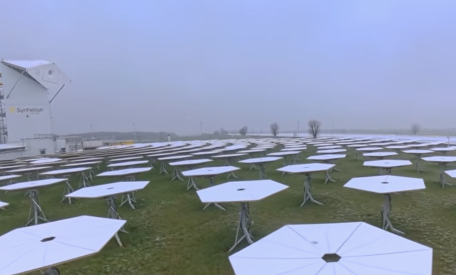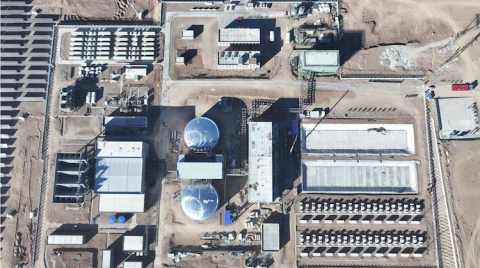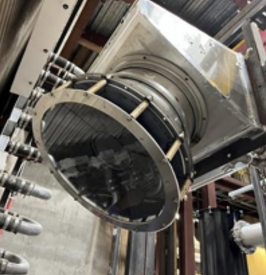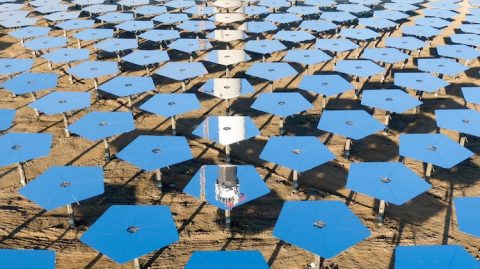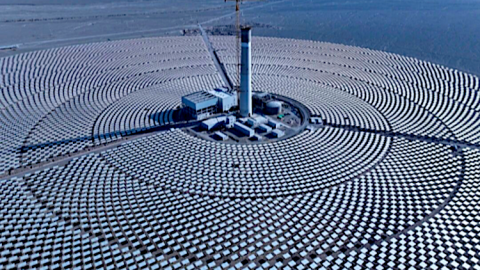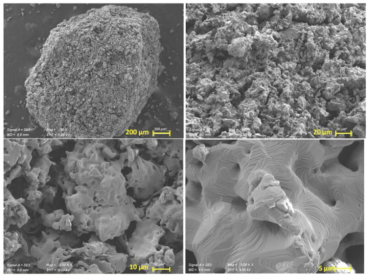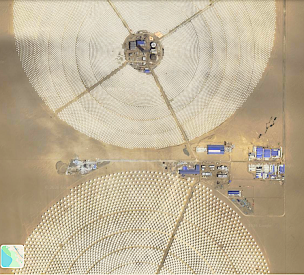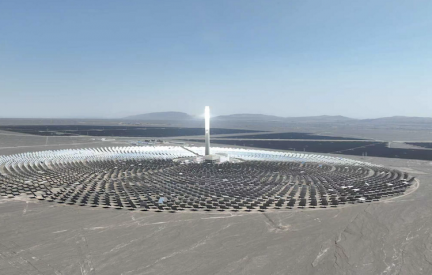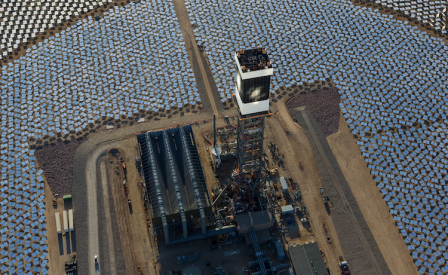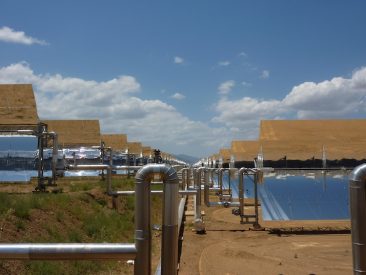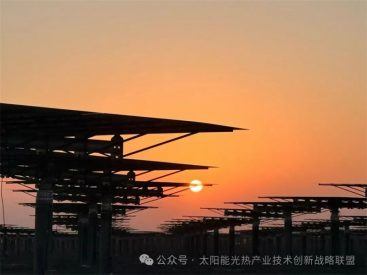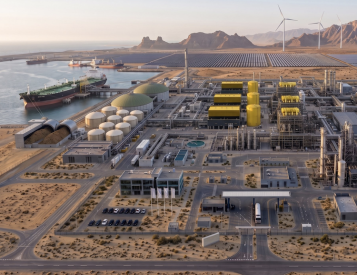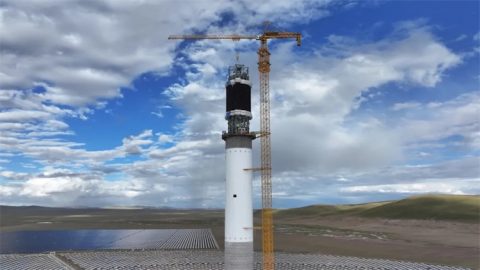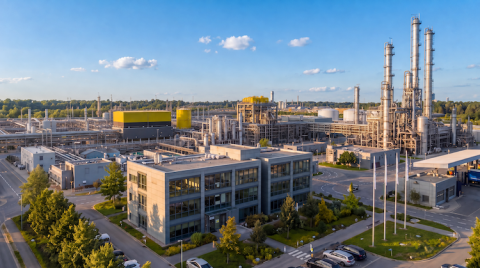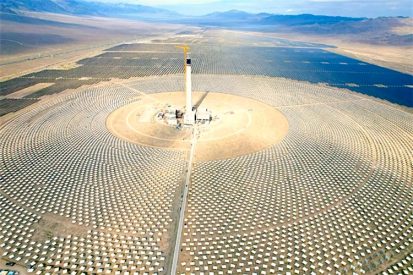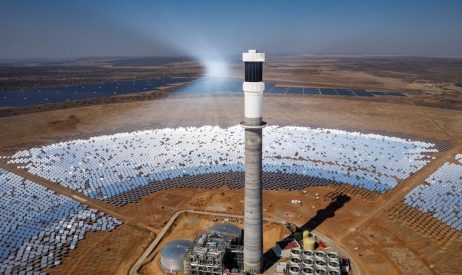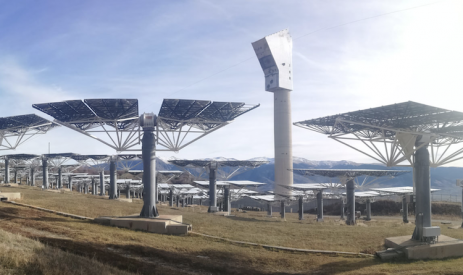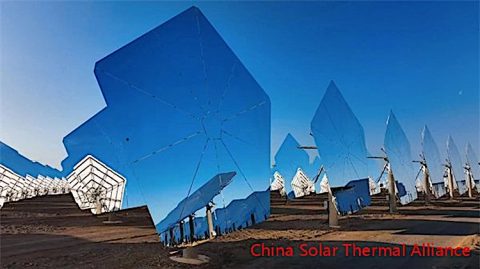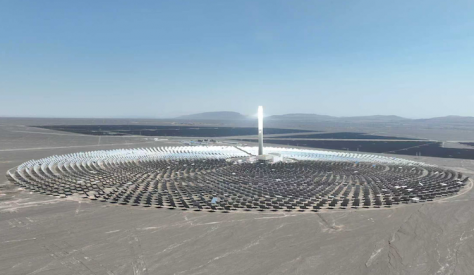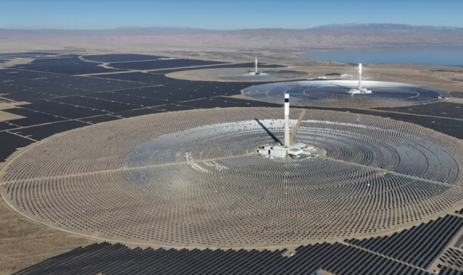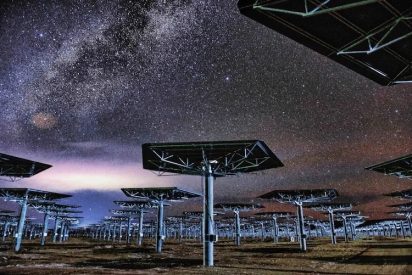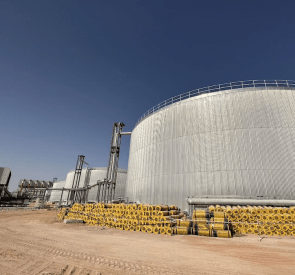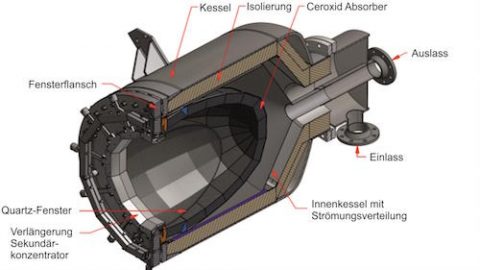

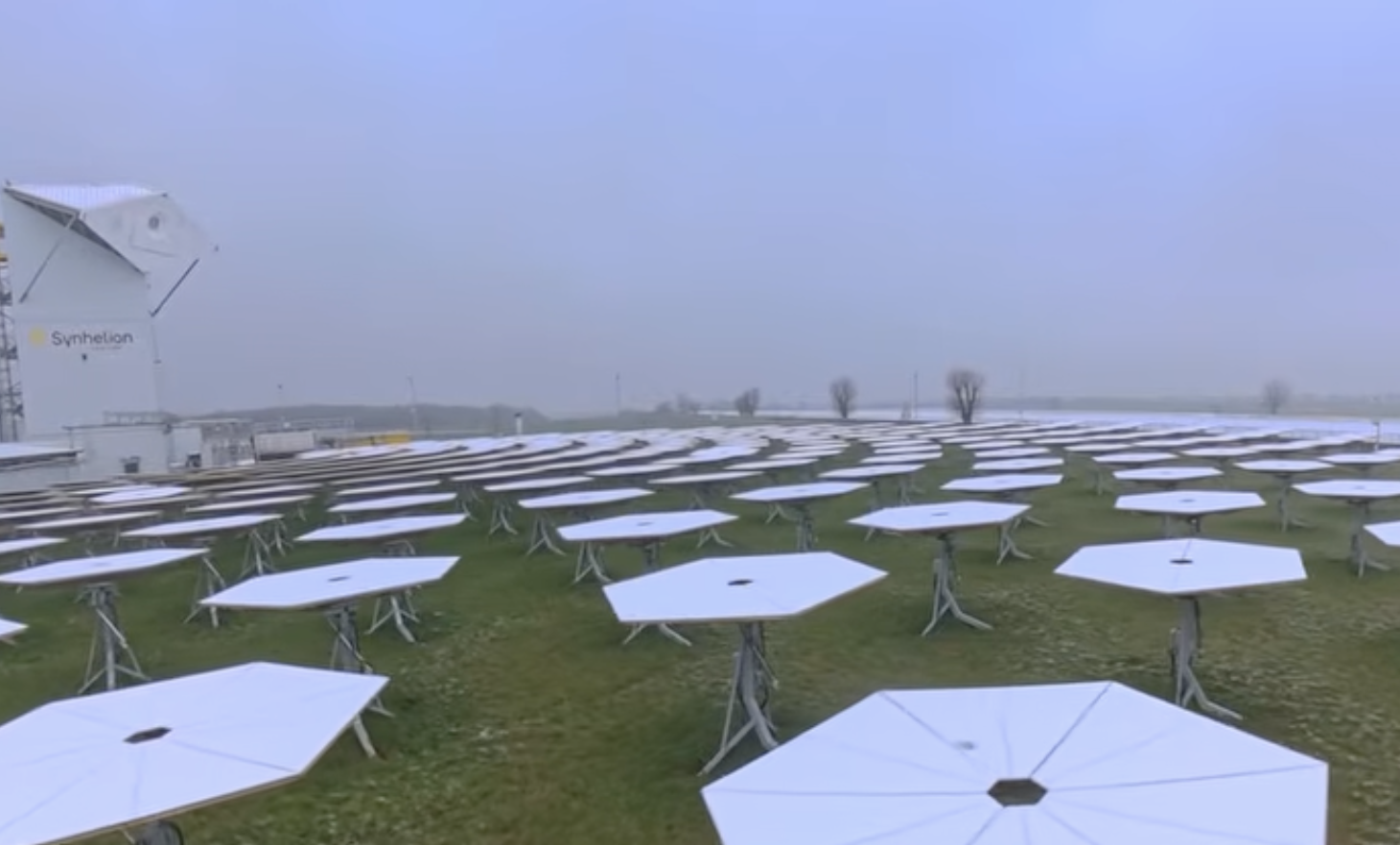
In the summer months, the heliostat solar field at Synhelion’s Plant DAWN CST prototype in Germany demonstrates at small scale the long term design for sunnier climates. In the meantime, immediately scaleable electric heat demonstrates Synhelion’s continuous solar fuels production in any climate.
In 2017, Philipp Furler introduced me to the astounding idea of making aviation fuel from two permanently available materials – carbon dioxide (CO2) and water (H2O). Concentrated solar thermal (CST) would generate the heat up to 1500°C to transform them to syngas (CO and H2) in a redox process with ceria as the oxygen carrier.
Now, under the ambitious ReFuelEU sustainable aviation fuel (SAF) rules, exactly that super-sustainable process – just direct air-captured air, water and renewable solar heat – would qualify as a Renewable Fuel of Non Biologic Origin (RFNBO). The EU will fund 95% of the difference between the price of RFNBOs and that of fossil aviation fuel.
Yet Synhelion, the renewable fuels company co-founded by Furler has run its Plant DAWN for more than two years now using a different energy technology, in tandem with the concentrated solar thermal original.
Furler says that the original idea has not been abandoned. The concentrated solar thermal (CST) redox path still remains the long-term plan.
“We still believe in concentrated solar,” he explained in a call from Switzerland.
“And we’re still developing it with the redox process, the novel catalysts and so on, because it allows very high efficiencies at scale. We see it as an attractive pathway for high-DNI regions, like Australia and other places. What we’ve implemented at DAWN, the mirror field and the receiver, has been working perfectly fine for two years, at 600 kW scale. But that’s not at the scale we need for a commercial plant. We need to get that receiver and heliostat system to commercial maturity before we can use them commercially in large systems.”
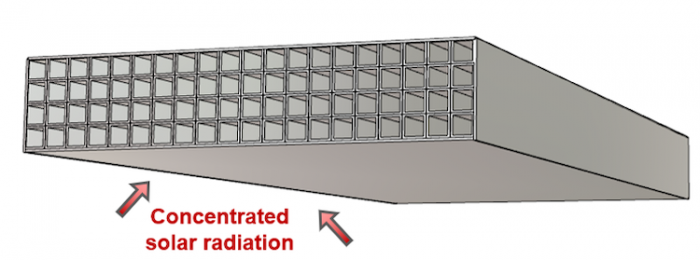
To be commercially viable, full scale for renewable fuel production needs a receiver of around 25MW. The DAWN plant CST receiver is only 600 kW. The receiver therefore needs to be scaled up and tested before it can be deployed commercially.
“You can’t scale a component by a factor 1,000 without knowing whether it will work at that size. You have to scale in steps to reach commercial scale, and only then start multiplying devices. That is exactly what we’re doing.”
So in the meantime, Synhelion is focusing on developing what they can commercialize virtually immediately instead: a simpler biomethane reforming process heated by renewable electricity, which simultaneously also demonstrates the renewable heat CST input.
How Plant DAWN works currently; a dual demo
The DAWN plant has had two technology pathways in its demo for over two years. One supplies concentrated solar heat from the heliostat mirrors to the 600 kW solar receiver to heat the adjacent reactor where the biomethane reforming takes place. The second route sends heat directly to the same reactor from an electric gas heater. This electricity would come from a solar or wind farm. So it is a side by side technology demo.
“We’ve implemented two pathways in DAWN: one is CST and one is the electric gas heater. During the summer months we run more on CST, and the rest of the year on the electric gas heater,” he said.
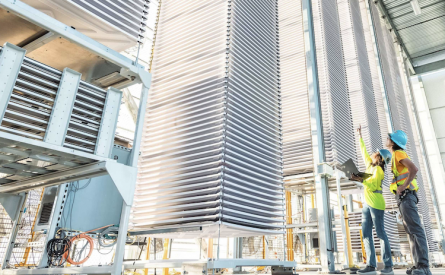
“And we have integrated thermal energy storage, which originated very much from the concentrated solar approach. We always wanted grid-independent systems that can stand alone, so from the beginning we included storage, to run 24/7 without a grid connection.”
While this combo of solar heat and renewable electricity, for example from solar or wind, could demonstrate the redox process, it doesn’t.
Step One: biomethane reforming
For now, both renewable pathways perform simple biomethane reforming, the plan Furler had described to SolarPACES previously.
“The big advantage of a reforming pathway over a pure water-and-CO2-splitting pathway is much lower cost,” he explained. “Synhelion’s process uses only about one-third as much electricity as a conventional e-fuel process and requires no hydrogen. That’s one of the reasons we chose to push this process instead of pure water and CO2 splitting.”
The carbon is supplied by biomethane from anaerobic digestion of certified biogenic wastes. Unlike limited supplies of used cooking oils and fats for HEFA, biogenic waste is a scalable and globally available feedstock. It includes, for example, a sustainable supply of residues, manure, sewage sludge, agricultural or municipal organic wastes. Capturing methane that would otherwise escape into the atmosphere can deliver deeply negative carbon intensity.
The heat is supplied to the reactor to perform this biomethane reforming at 1200°C, whether generated directly from the onsite solar field of heliostats, or from the electric gas heater, fed by local renewable electricity generation.
Once the syngas is produced, whether, in the future, from the redox process, or through the current biomethane reforming, this CO and H2 mix is then fed through the Fischer-Tropsch process which converts the syngas to syncrude, from which jet fuel meeting ASTM specifications can be made, as well as diesel and gasoline.
But would it still qualify as RFNBO?
Their original research at ETH Zürich epitomised the pure RFNBO SAF. (Perhaps it even prompted the ambition of the legislation?) Furler said that their reforming of biomethane qualifies around half under RFNBO, and half as an advanced biofuel, which gets a smaller cost-difference subsidy under ReFuelEU. But their focus is more global.
“This pathway can come down in production cost to compete with fossil, and that’s the goal. Our production cost target is below 1,000 euros per ton. That’s about 80 Euro cents per liter, which is what we pay today to import fossil fuels into Europe,” he pointed out.
So for now, while continuing work on the solar receiver and the CST redox process for the long term, first they are prioritising the electric gas heater route to get them to commercial operation fastest.
“Scale is the primary cost-reduction driver,” he noted. “We need to get to commercial scale as fast as we can, and for now we can do that quicker with the electric heater than with the solar receiver. Concentrated solar’s strong pro is higher energy efficiency. It’s something like twice as efficient from solar to high-temperature heat. But it’s restricted to high-DNI regions and it’s less mature. But the strong pro of the electric gas heater is very wide geographic applicability. We’re not restricted to high-DNI locations. We can apply it in Germany or anywhere with cheap renewable power.”
How solar fuels work: Concentrated solar and thermochemistry
How Synhelion’s solar jet fuel started – an interview in 2017
How Much Land Would Solar Thermochemistry Need to make All Our Aviation Fuel?
How can Synhelion’s solar receiver achieve such high temperatures?