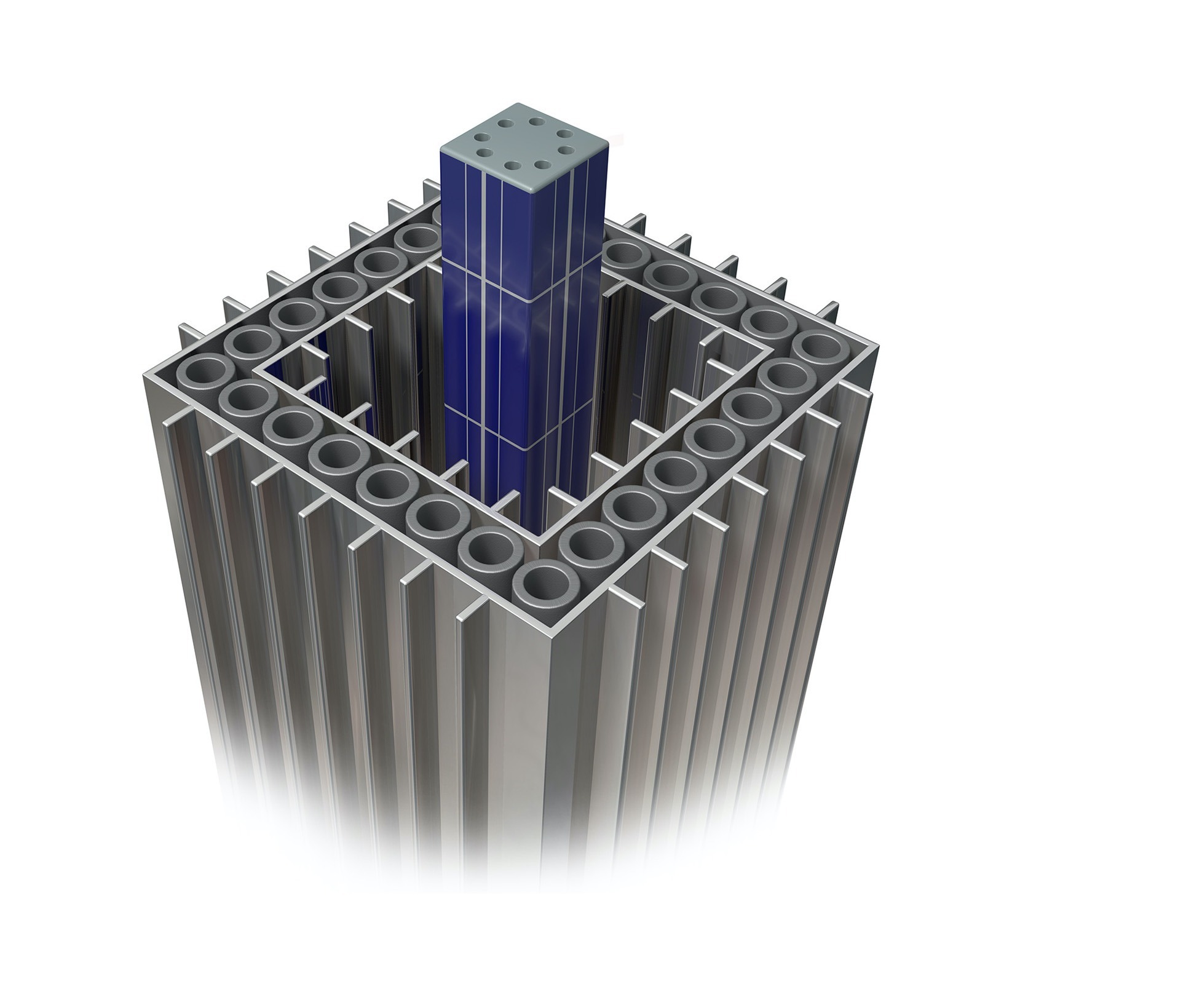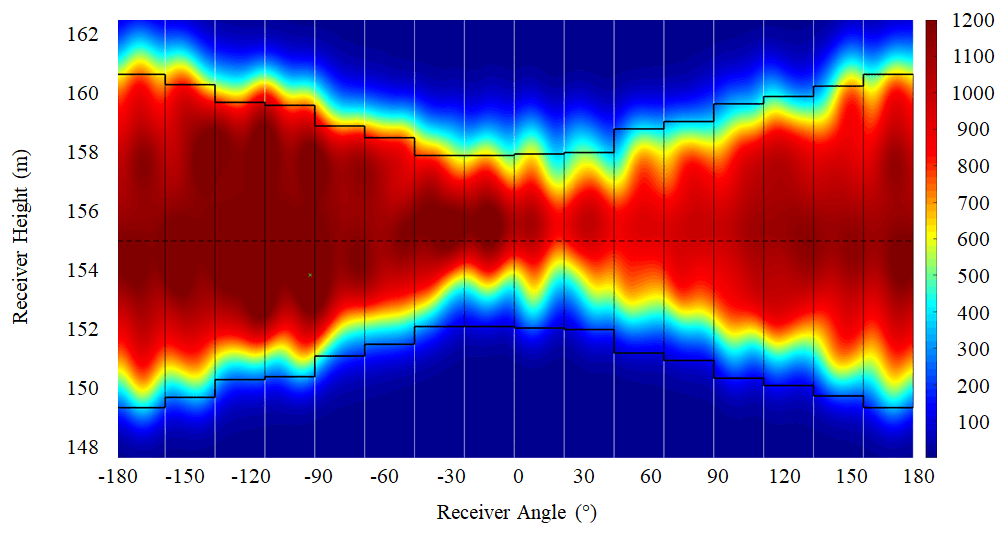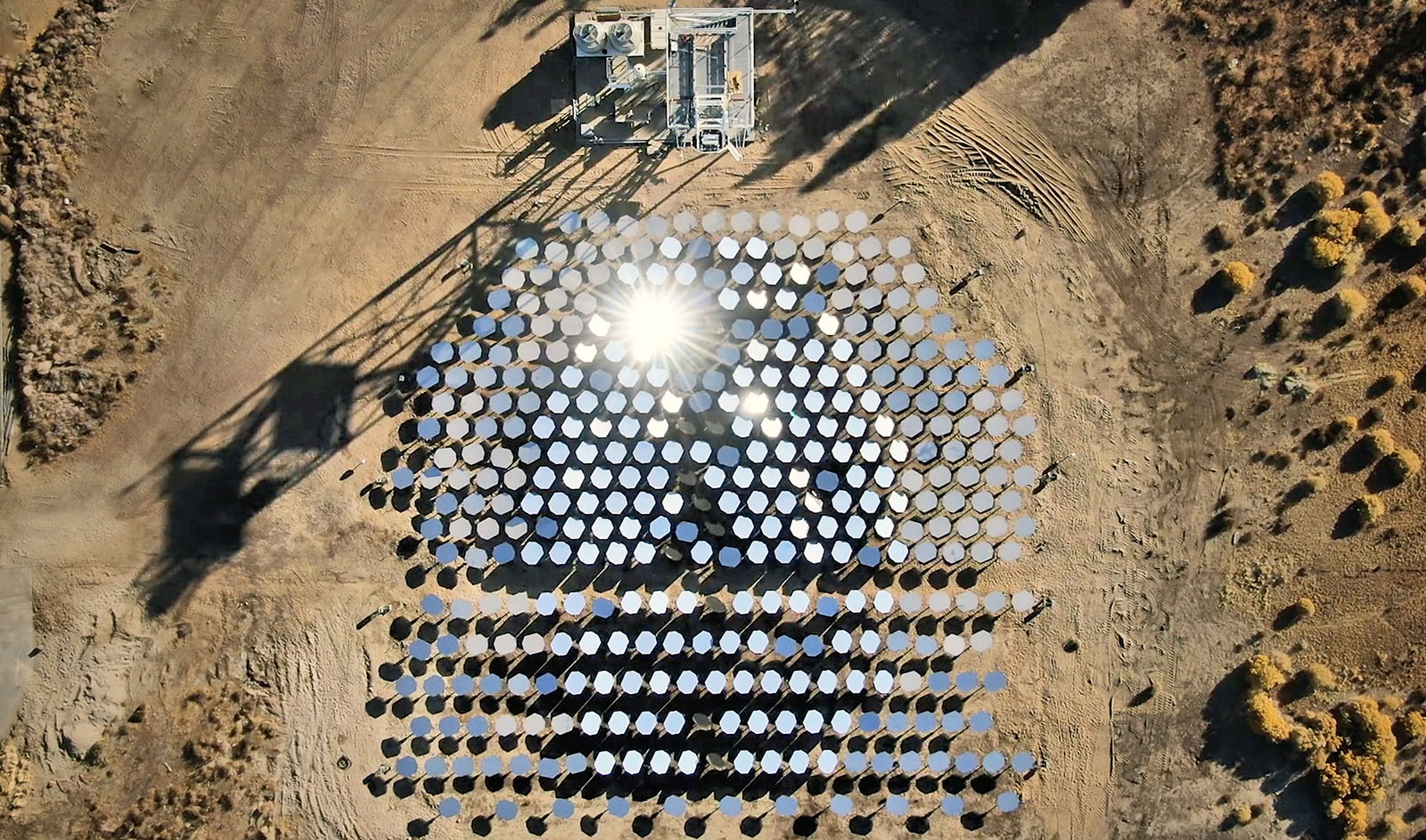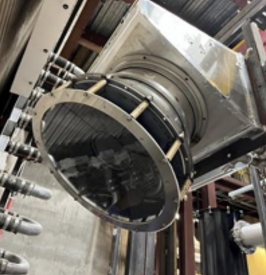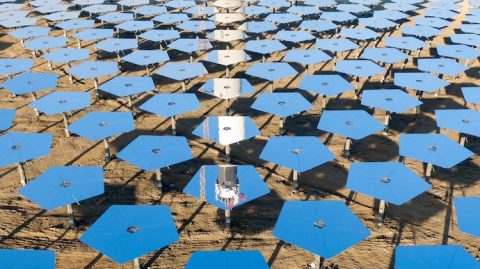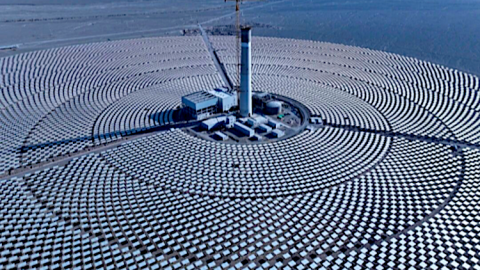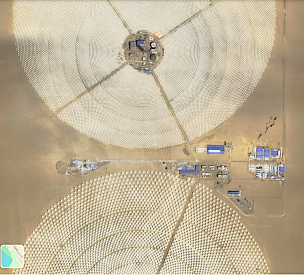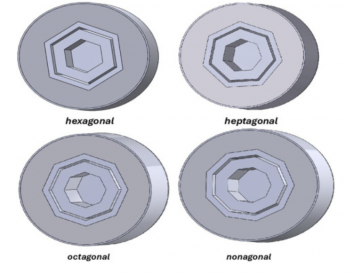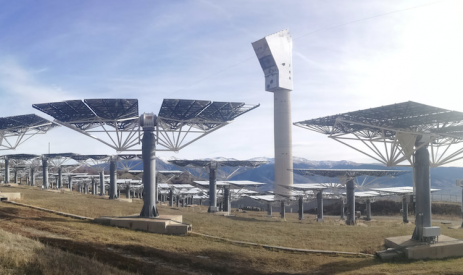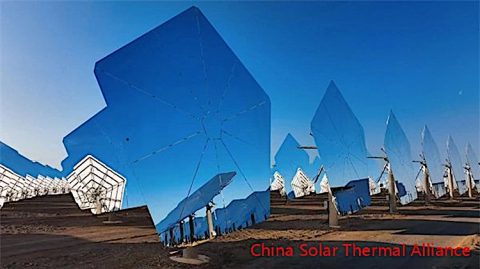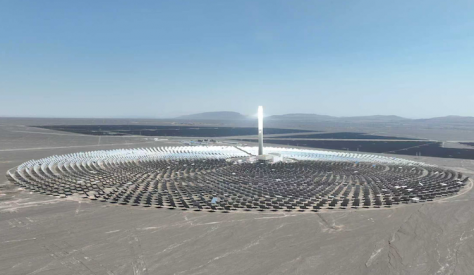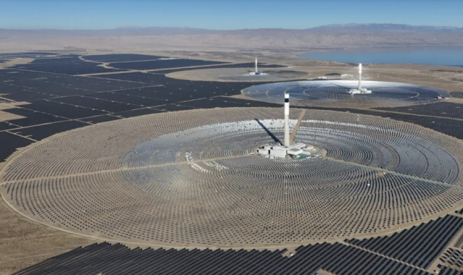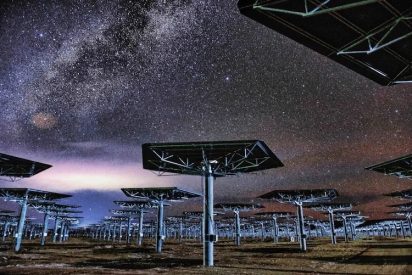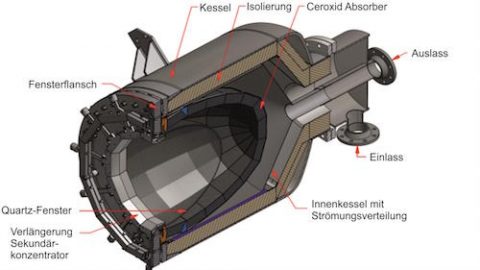
“With the asymmetry of flux levels from the solar field; why not make the receiver also asymmetric to fit better with that,” she explained.
Solar PV for electricity is great, but the world needs solar fuels too, fuel for planes, fuel for ships and fuel for steel and cement.
What are the policies that make it possible to actually meet a renewable energy target? Regulators can’t simply decree it happens
A state of the art assessment of day or night solar thermochemistry at very high temperatures 1,000ºC to 2,000ºC
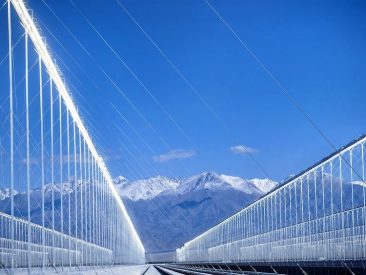
Solatom’s Fresnel solar module is shipped ready to go and connected onsite as a turn-key design to generate steam or high pressure hot water
When Bernie Sanders proposed building publicly owned renewables it was dismissed as pie in the sky. But a US agency once did exactly that
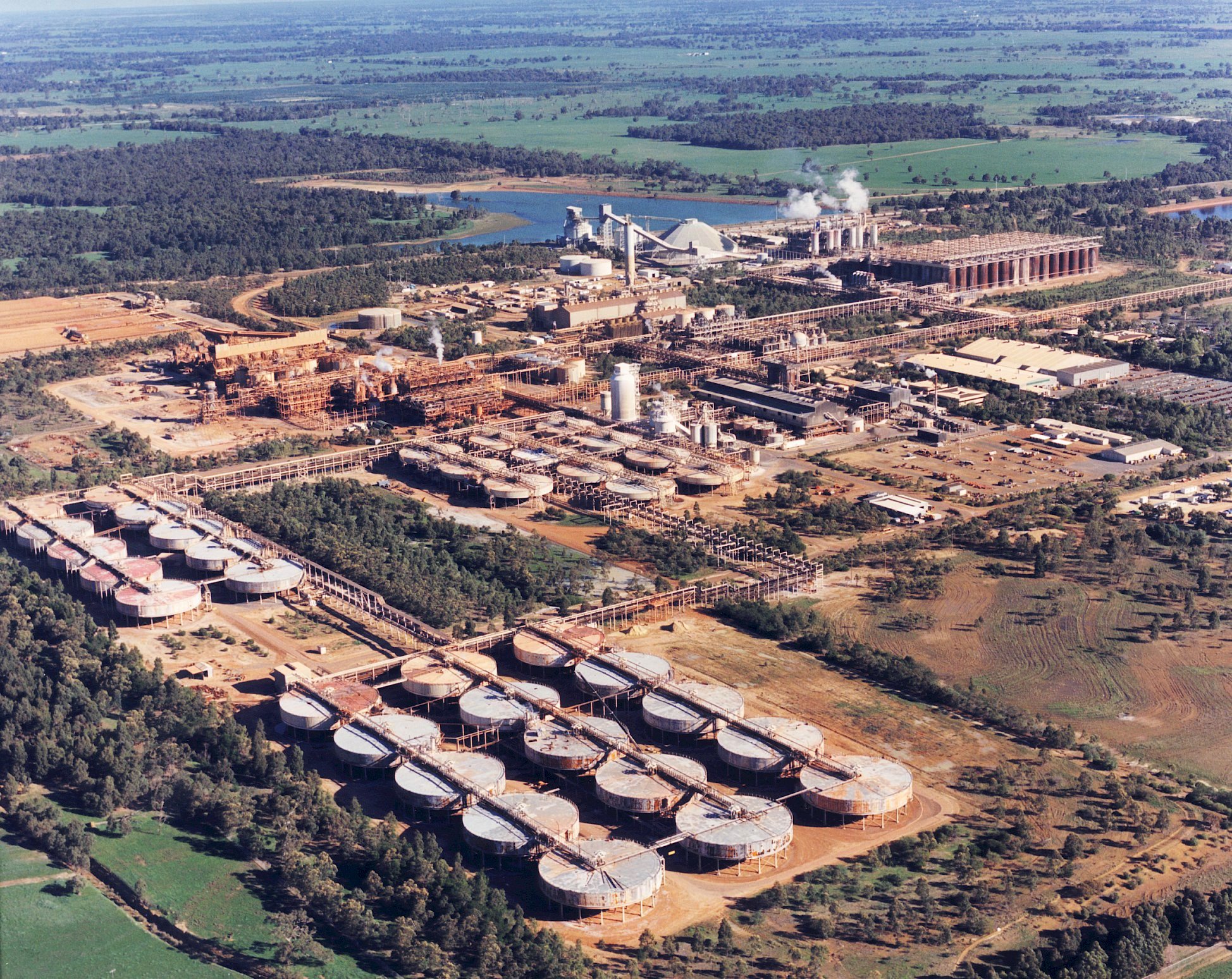
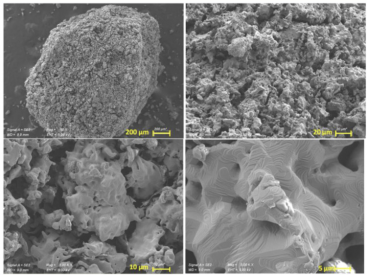
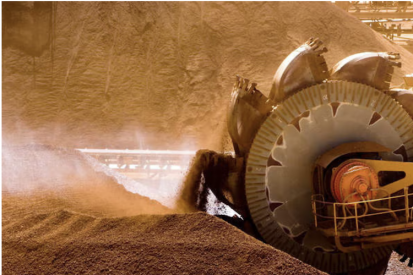
Commercializing alumina refining using solar heat Approximately 27% of Australia’s industrial carbon emissions come from alumina refineries, in which fossil fuels are burned to heat the processes. But concentrated solar thermal (CST) could provide up to half of the...
What if the more bankable trough technology could run on molten salt, like the more efficient tower CSP? Wouldn’t that leverage the best of each technology?
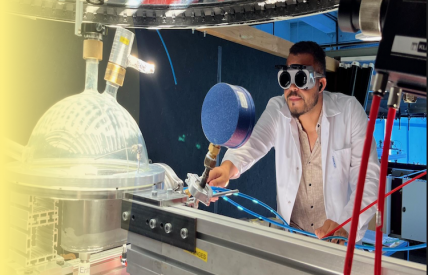
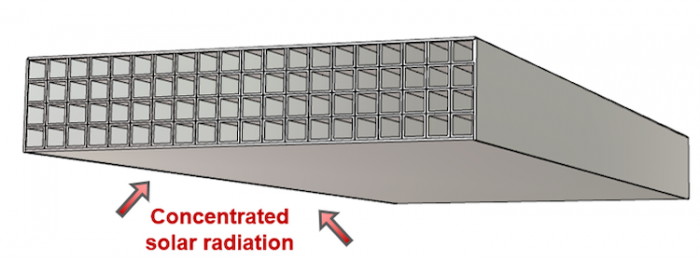
Engineers generally tend to be solutions-oriented, and engineers in Concentrating Solar Power (CSP) are no different. A history of making things better than they were is why we now have advanced technologies. As Hal Harvey, founder of Energy Innovation told the NYT...
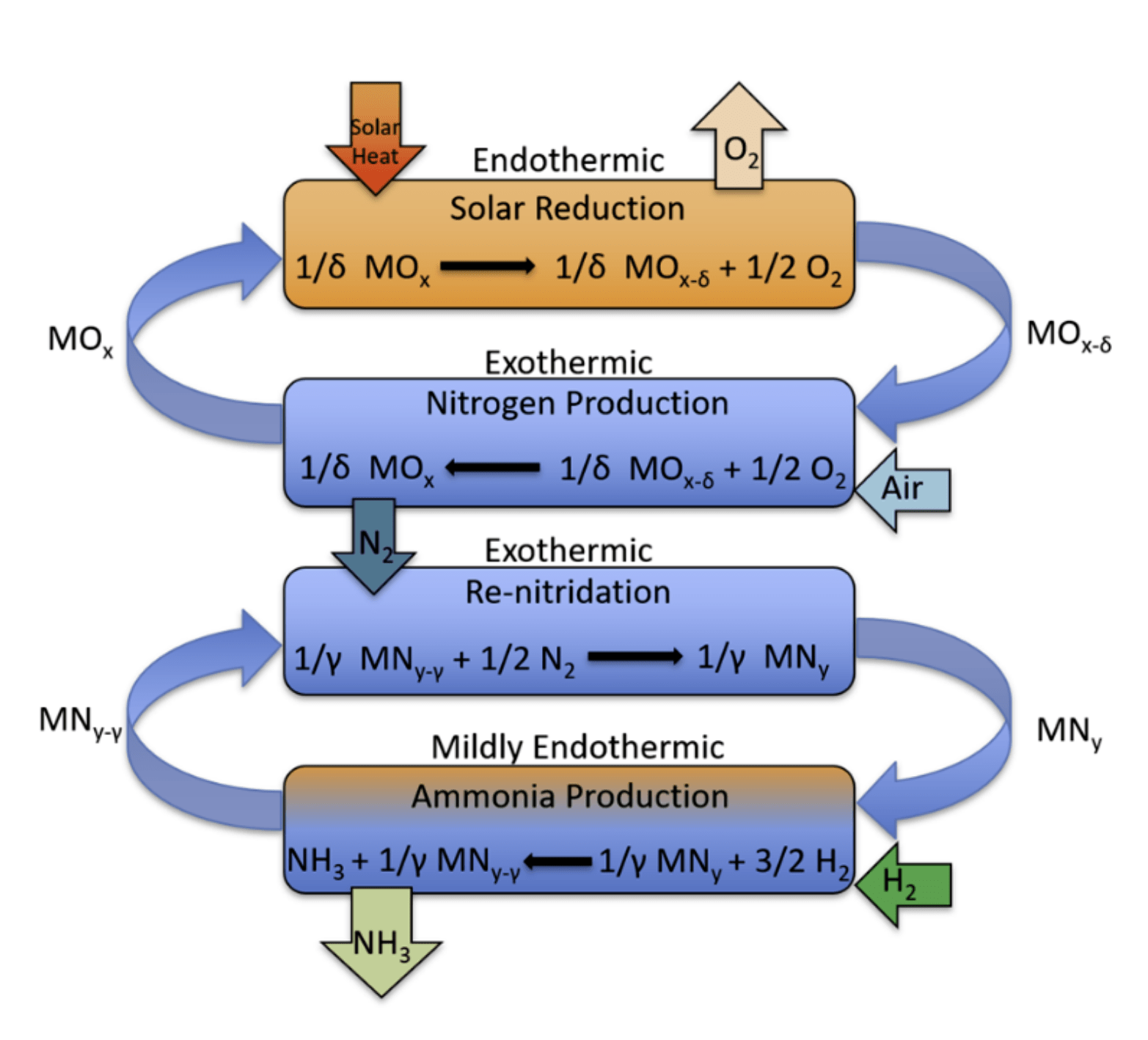
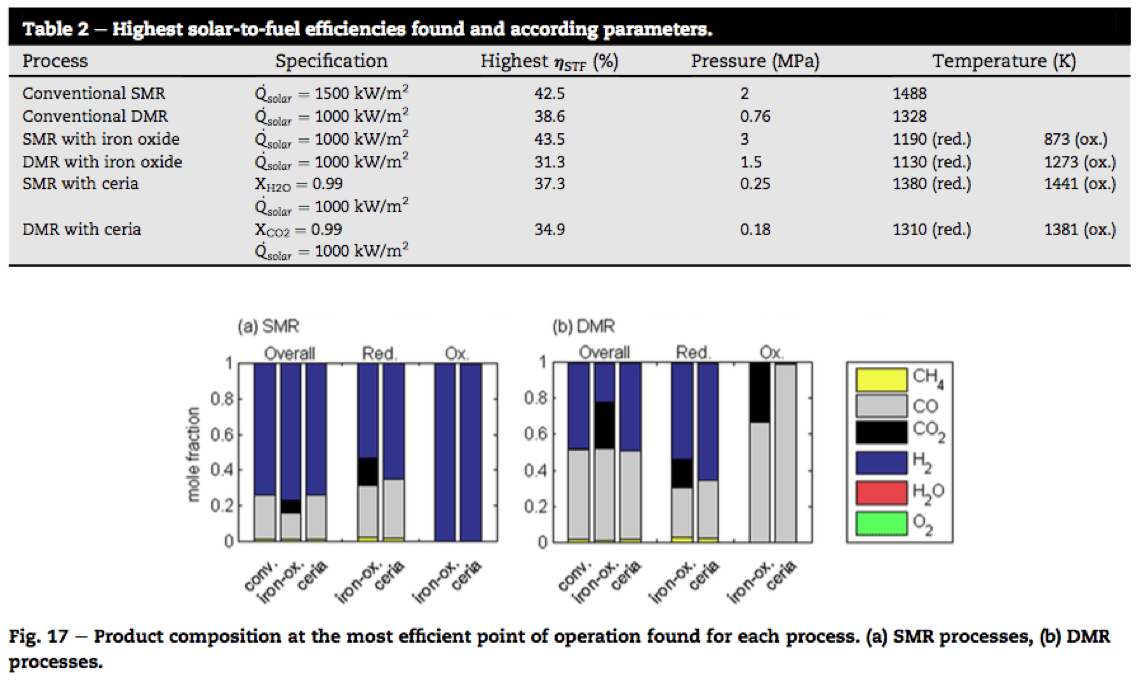
The research team found that a redox process produced higher solar-to-fuel efficiency than steam or dry solar methane reforming with a metal alloy catalyst
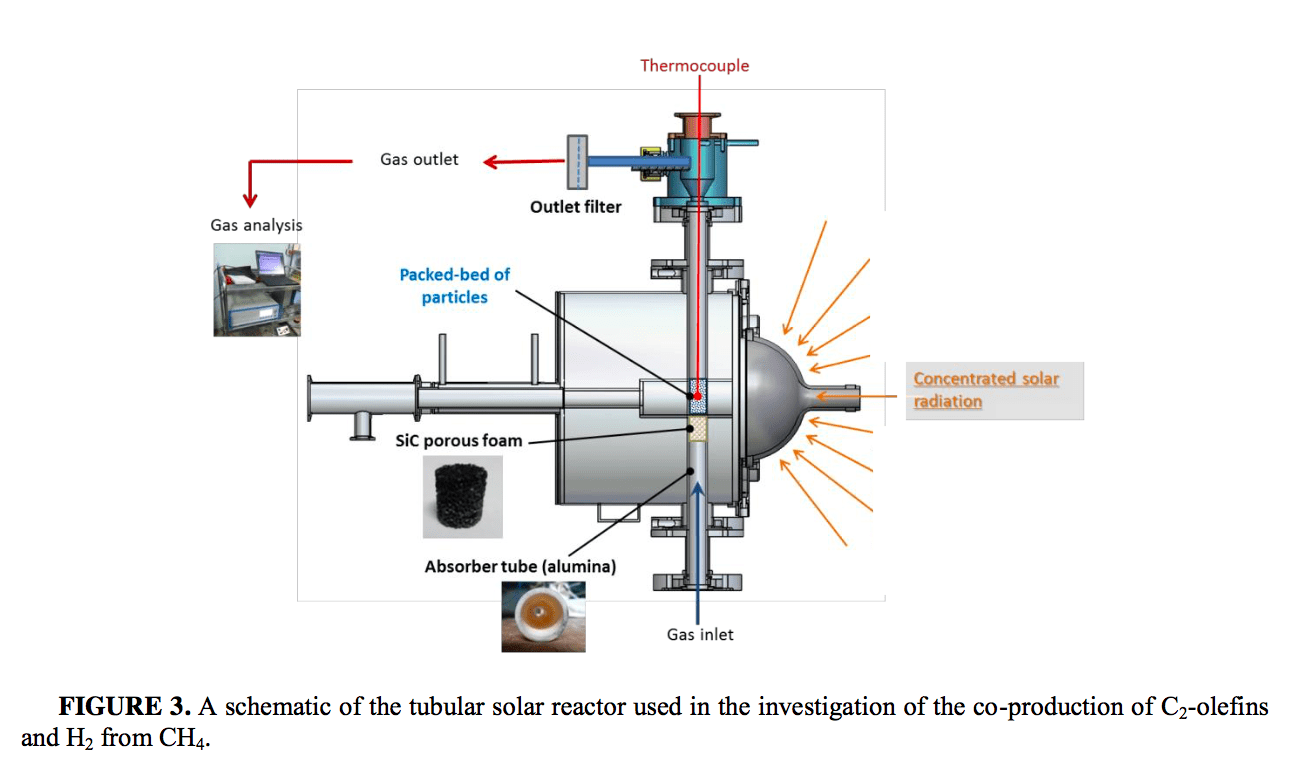
Two teams of solar researchers have developed a novel solar reactor and thermochemical process for making solar hydrogen that can generate in addition carbon black and graphite as well as carbon nanotubes. Working over a six-year period, the teams first developed the...
Colocating PV and CSP to share the CSP thermal storage could be widely applicable as energy grids become more saturated with renewables
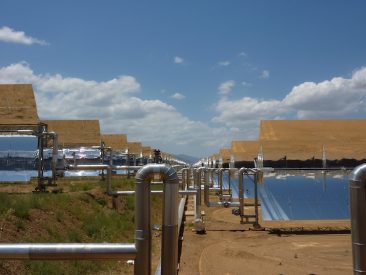
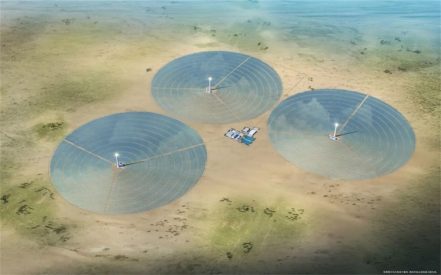
If one “solar refinery” manufactured all the aviation fuel needed for the entire world from CO2+H2O captured from air using solar energy – all in just one site, the solar field would stretch for example, from Paraburdoo to Capricorn in the Western Australian desert

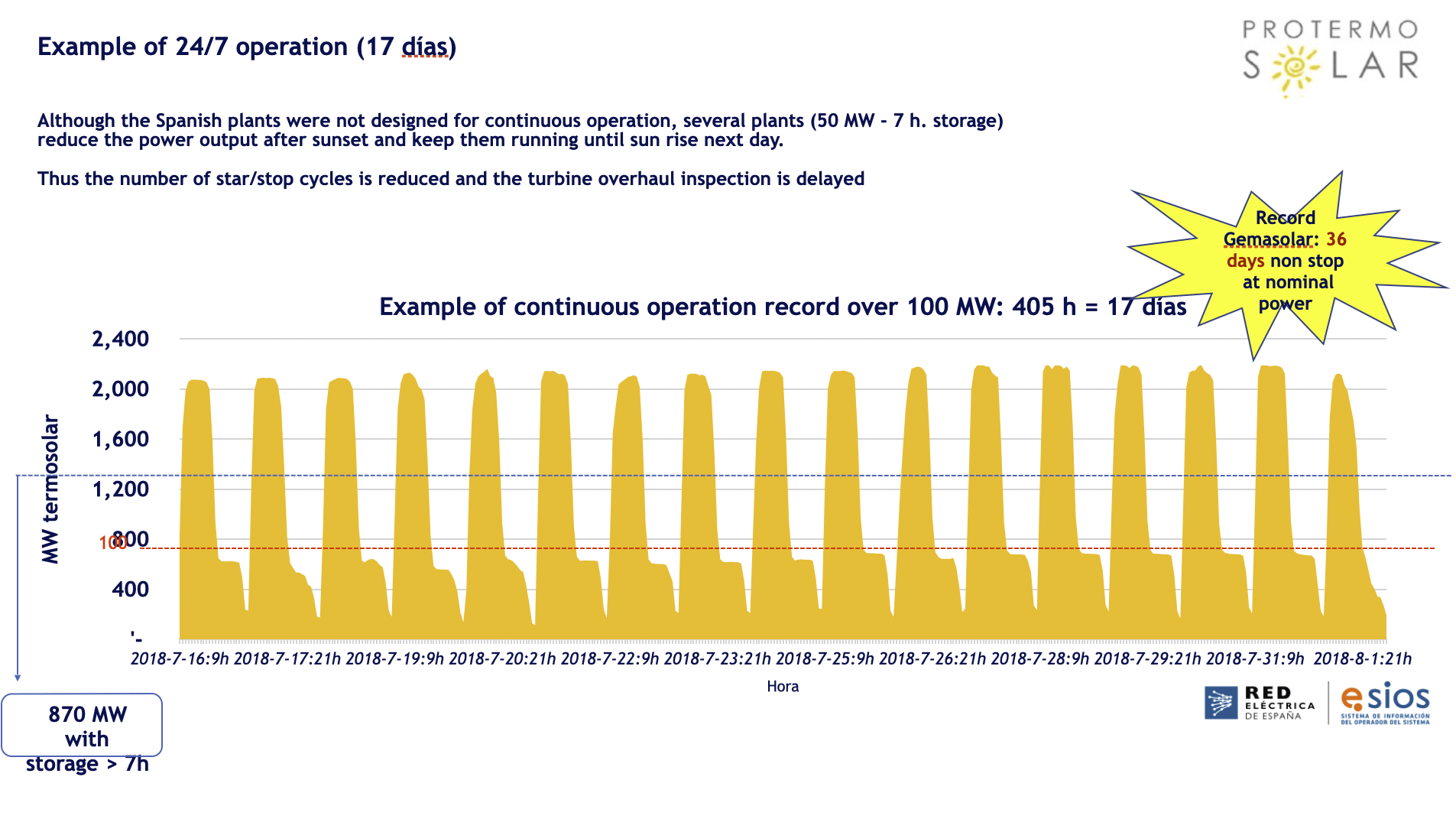
CSP+TES match a 100% clean grid best fit needs: flexibility, reliability, dispatchability, durability but utilities don’t know how to procure them
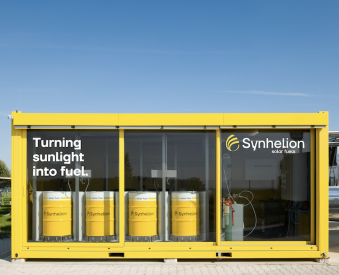
A Swiss startup is working on commercializing two routes to solar jet fuel – to market first by 2022, and by 2030, from direct air capture of CO2 and H2O
As electricity grids include more intermittent renewables to meet 100% clean energy goals – utilities look beyond batteries to CSP+TES
A completely new way to dry cool solar thermal power plants, inspired by commercially available underground heat pumps used to cool buildings
HELIOVIS has been running a demo plant in Spain for two years demonstrating their novel low-cost blow-up plastic tube solar collector for CSP. The small startup is fighting hard to get the industry-scale financial backing needed to introduce the technology and to make...
Wet cooling of Concentrated Solar Power (CSP) plants would be preferable if there was plenty of available water, because it promotes greater thermal efficiency. However, most CSP tends to be built in very arid regions, and so for environmental reasons, developers...
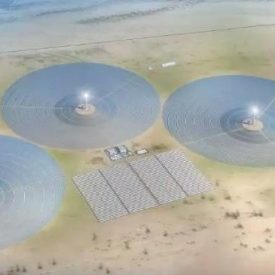
A star shape allows for double sided flux exposure in the receiver, a way to allow for increased flux density limits in standard tower CSP
Latest In: